
Grid Placement Mechanics
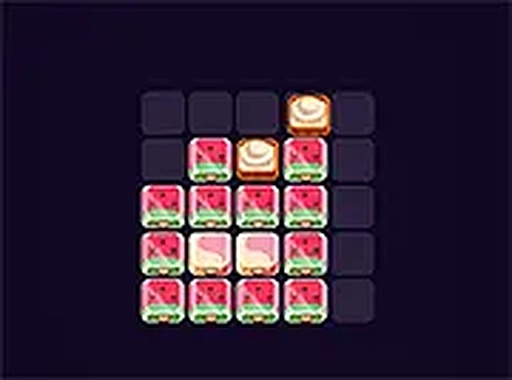
Players receive a selection of tile shapes, each resembling a frozen dessert, from a side panel. These tiles must be dragged onto a 10x10 board and rotated as needed before dropping them into position. The core objective is to fill entire horizontal rows or vertical columns, which then vanish and free up space for additional placements. Each level imposes a specific move limit, so every placement must be deliberate. The game ends when no more tiles can be placed or the move count reaches zero. Success depends on efficiently clearing the board to earn up to three stars per level, with fewer moves used resulting in a higher star rating.
Visual Theme and Atmosphere
The game adopts a cheerful dessert shop setting, with tiles designed to look like various frozen treats in bright, appealing colors. This visual style creates a relaxed and inviting atmosphere suitable for players of all ages. The graphics are clean and uncluttered, making it easy to focus on the puzzle grid without distractions. The overall presentation supports a calm yet mentally stimulating experience, where the sweet theme adds charm without overwhelming the gameplay.
Progression and Difficulty Curve
As players advance through the many levels, the puzzle layouts change, requiring different strategies to clear the board efficiently. Early stages introduce basic tile shapes and generous move counts, allowing newcomers to grasp the mechanics. Later levels present more complex tile configurations and tighter move limits, demanding greater foresight and spatial planning. The star rating system provides clear feedback on performance, encouraging players to revisit earlier levels and refine their approach. This gradual increase in challenge keeps the experience engaging without becoming frustrating.
Strategic Thinking and Pattern Recognition
Success in this game hinges on the ability to anticipate future moves and recognize how different tile shapes can combine to complete rows or columns. Players must consider not only the immediate placement but also how it affects available space for subsequent tiles. Rotating tiles before placing them is a key tactic, as it can reveal better fitting options. Over time, regular practice helps players identify common patterns and develop efficient placement sequences. The game rewards patience and careful observation, making it a satisfying mental exercise for those who enjoy optimizing their moves.






Comments
0 comments