
Piece-by-Piece Assembly
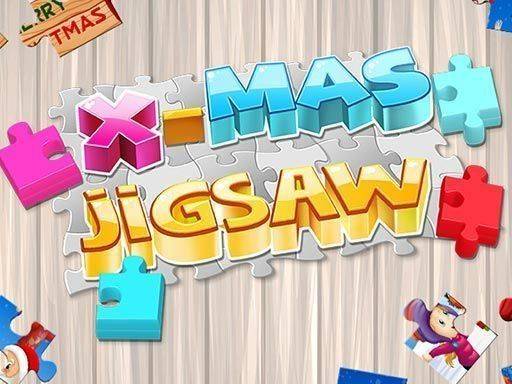
At its core, this game asks players to reconstruct images by dragging individual fragments onto a board. Each fragment connects with its neighbors when placed correctly, gradually revealing the full picture. The process rewards patience and attention to detail, as players sort through shapes and colors to find matching edges. Unlike many puzzle games that introduce complex mechanics, this one keeps the interaction straightforward: select a piece, move it to the board, and watch the scene come together.
Visual Themes and Atmosphere
The artwork draws from winter traditions and cozy indoor settings. Snow-covered landscapes, decorated evergreens, and warmly lit rooms appear across the available puzzles. These images aim to create a soothing backdrop for the assembly process. The color palette leans toward soft whites, greens, and golds, reinforcing the calm tone. Each completed puzzle reveals a complete scene that feels like a small reward for the effort invested.
Adjustable Difficulty Options
Players can choose how many fragments to work with before starting a puzzle. Lower counts suit quick sessions or younger participants, while higher counts extend the challenge for those who prefer longer engagement. This flexibility means the same image can be tackled multiple times at different difficulty levels, offering replay value without requiring new content. The option to preview the complete image also helps guide placement decisions without removing the satisfaction of discovery.
Controls and Interaction Design
The interface relies on simple drag-and-drop actions. Fragments can be rotated if needed, though the default orientation usually aligns correctly. A snap-to-grid feature ensures pieces lock into position without requiring precise mouse movements. No timers or score counters interrupt the flow, allowing players to set their own pace. The controls work equally well on touchscreens and traditional mouse setups, making the game accessible across devices.
Who Will Enjoy This Game
This title suits anyone looking for a low-stress activity that exercises visual pattern recognition. Families can work together on a single puzzle, passing the device between members. Solo players might use it as a wind-down activity after more demanding tasks. The lack of time pressure makes it particularly appropriate for younger children still developing fine motor skills, as well as older adults who prefer gentle cognitive stimulation.






Comments
0 comments