
Building a Continuous Route
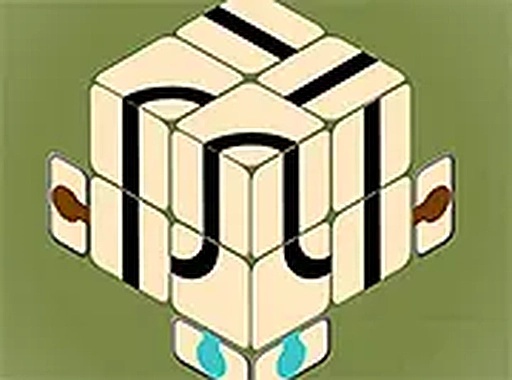
The board holds a set of tiles, and each tile shows a segment of a route. Your task is to move those segments around until every piece links into a single unbroken line that runs from a starting marker to an ending marker. The difficulty is not in fast tapping but in working out which tiles belong where and in what order to shift them. Because each puzzle is self-contained, you can finish one in a single sitting without carrying over progress from earlier boards.
How the Board Unfolds
Not every tile is available at once. Some carry shadows that mark them as locked until earlier sections of the path are completed. As you correctly assemble a portion of the route, that section locks into place and previously blocked areas open up. This step-by-step unlocking shapes the puzzle into a sequence of smaller decisions rather than one overwhelming view. The angled perspective gives the tiles a sense of depth, which helps distinguish movable pieces from fixed ones without cluttering the screen.
Controls and Platform Support
The game runs entirely in a web browser, so there is nothing to install. It works on computers, tablets, and phones, and accepts both touch and mouse input. Clicking or tapping a tile swaps it with another, and a full-screen mode is available for a more focused view. The interface stays clean, keeping attention on the path segments rather than menus or overlays.
Pacing and Audience
There are no timers or scoring systems pushing you forward. You can take as long as you need on any puzzle, which makes the game suitable for short breaks or longer sessions. The content is appropriate for all ages and offers a gentle mental workout built around logical thinking and pattern recognition. Players who enjoy quiet deduction puzzles will find the format familiar, while the locking mechanic adds a light layer of planning.









Comments
0 comments